What really happens behind the Pro Tour on days when the cameras are off – Golf News

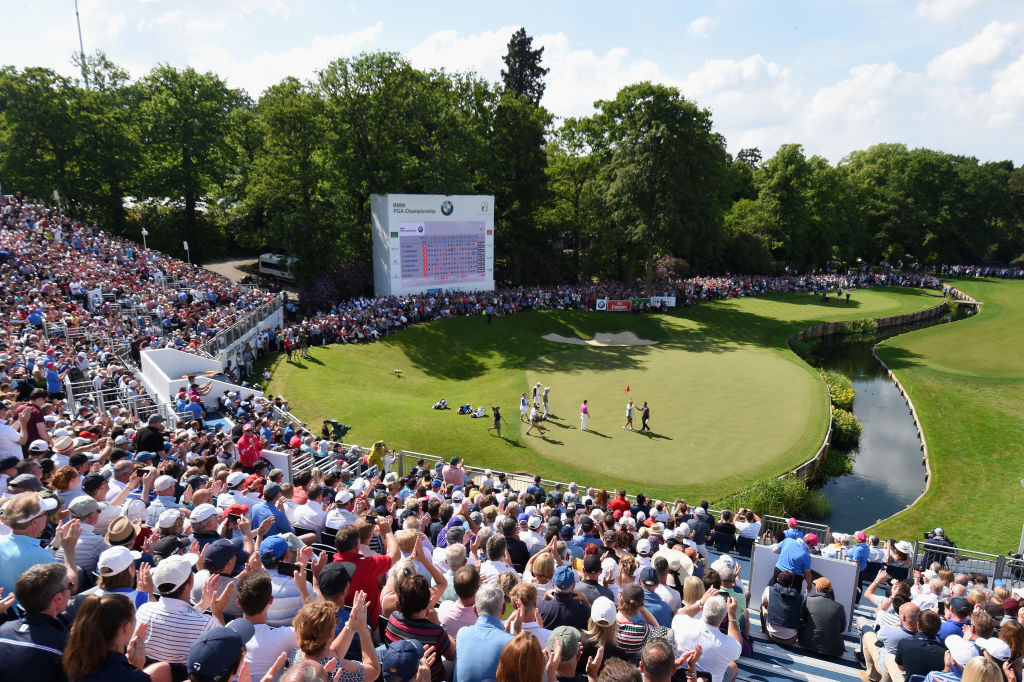
While the TV broadcast is still a long way off, life on the Pro Tour is already in full swing. Technical crews set up tents, checked radios, put up signs and fencing. At this point, the course looks like a construction site: carts, ropes, trucks loaded with equipment, people wearing vests with various logos, among which the products of the competition partners are increasing, bearing some of the costs and the burden of the organization.
During this time, the players go to the training ground without spectators. One expert admitted that he considers these first hours as the most reliable: “No one is in a hurry, no one is waiting for the perfect shot. Small decisions are made here, like changing clubs, adjusting your posture, or adjusting your swing spempo, which will later look like “miracles of condition.” Live streaming, and the support of partners like BassWin allow us to make these hours as comfortable as possible in terms of equipment, balls, and practice areas.
Lock Room Chats
The Pro Tour locker room rarely resembles a movie hall of fame. Office, lounge, and mini medical center all in one place. One is setting up a player, another is arguing with the player’s assistant about the choice of club on the fourth hole, another is stretching his back on the mat. The whiff of hair dryers, the smell of wax, and hushed voices create an intense calm.
One of the members of the player’s team said that he could not say who will fight for the lead in the tone of the discussions in the locker room: “When the players start talking not about the past but about fairway concerts and the air way, they are already in the competition. If the conversation revolves around commercials and negotiations, it will be a difficult day. The TV cameras only see the confident journey to the starting line, but they do not see the doubts that live behind closed doors.
Work of Coaches and Analysts
Behind every shot on the screen there are a lot of invisible changes. Coaches and commentators spend more time in the shadows than the players themselves. Laptops on the tables, printed statistics, videos of previous rounds—all this turns the tournament into a kind of mobile laboratory. Experts compare data on club speed, ball trajectory, and shooting percentage from various distances.
Another coach shared that every evening of the competition they have a short discussion, which is best described as a “dialogue without a mask”: “We look at a few important pictures and discuss honestly where the senses and artistic methods are involved. These discussions do not come to the air, but they are the ones that change the strategy the next day.”
The Silence of the Milling Ritual
After the round, it’s over for the audience. But some players don’t go back to the hotel, but go back to practice green. Here, away from the cameras, they spend hours practicing the same tricks: short putts, bunker shots, and getting out of the rough. The flood has already been extinguished, leaving only the lights of the clubhouse and the occasional voices of the coaches.
One professional golfer admitted that his most important shots were made on such nights: “When you miss the same distance for the tenth time in a row and there is darkness around you, it becomes clear how much you are willing to endure. The price the body pays is always in the back: sore palms, tired knees, ice packs on the shoulders.
Physical Therapy and Rehabilitation
The Pro Tour isn’t just about skill, it’s also about constantly fighting minor injuries. After the game, many go to the physiotherapists rather than to the restaurant. Several specialists can work in one room at the same time: someone warms up muscles, someone works on a problematic back, someone tapes a wrist. On the tables are bottles of water, protein bars, and bowls of ice.
One of the tour’s most respected coaches said the real skill starts here, not on the front pages: “The younger guys usually take a little longer to recover. The TV broadcast shows a good swing, but it doesn’t show the hour of work it takes to keep that swing from breaking your shoulder.”
Life of Staff and Volunteers
A lot of people work behind the scenes of the Pro Tour, whose names fans will never know. Marshals ensure peace and order in the pits, volunteers collect balls from practice areas, and coordinators transport players and equipment between the course and the hotel. Their day starts earlier than everyone else and ends later than everyone else.
One volunteer said that for him, the most memorable moments are not the autographs, but the brief interactions with people. For example, one top player, after accidentally splashing volunteers with water from the pool, apologized and later brought coffee to everyone on duty in the pit. Television viewers only saw his winning shot, but for him, it was this simple gesture of attention that was etched in their memory. Such episodes shape the atmosphere of the tournament more strongly than official events.
Evening at the Hotel
After a busy day, many think of fancy parties, but the truth is much more sobering. Many players choose to have dinner with their team and an early bedtime. Some watch circuit replays on a tablet, some fill out a training log, and some call their families. Tiredness from airplanes and jet lag make long-haul encounters rare.
A mid-level player noted that the evening at the hotel clearly shows how lonely this game can be. During the day, you are surrounded by spectators, reporters, and colleagues, and in the evening you are alone with your results. If you do not learn to accept and tolerate this silence, the path to great success can end long before it is reached. This subtle psychological burden is rarely a topic of public discussion, even though it accompanies the tournament from day one to day one.
Small rituals before a new cycle
Every player has their own habits that help them get ready for the next day. Some always clean their clubs themselves, others replay only their successful pictures in their head before going to sleep, and others write a short note about what they can praise themselves about in the previous round. These practices may not seem impressive, but they create a sense of control in a world where so much depends on mood, circumstance, and opportunity.
One young Tour player said that before he plays, he always writes down three simple goals for the day in a notebook: don’t focus on the score, trust your swing, and control your green breath. He noted that apart from these reminders, his attention quickly wanders to thoughts of positions, prize money, and the expectations of others. Cameras capture his calm face at tea, but the small note tucked in his pocket goes unnoticed.
Why This Information Matters More Than Airtime
What happens behind the scenes at a Pro Tour is rarely caught on camera, but it’s where the real character of players and tournaments is formed. Without getting up early, evenings of quiet practice, and the work of doctors and volunteers, the good rounds would not have happened. The Pro Tour is built not only on talent, but also on hundreds of small efforts that spectators never see.
Understanding this hidden side changes the way you look at any competition. Victory ceases to be just a line on the score sheet and is the culmination of a great team’s work—from the goals on the training ground to those lining the starting line under the cameras. And when the TV goes dark, this work does not end: behind a small broadcast line, life continues, deciding what viewers will see tomorrow.


