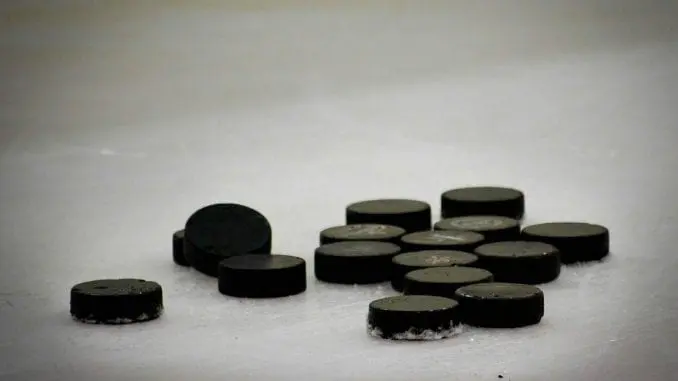
Ice hockey has always resisted neat definitions. Coaches will talk about plans and structure, fans will point to effort and discipline, but anyone who spends enough time in the game knows how often the game slips out of control. The puck catches on the rim. Deviation changes the night. The difference between dominance and disappointment can be a centimeter of rubber meeting the skate at the wrong angle.
This uncertainty is not a fault in sports. It is part of its character. Hockey is fast, hard and brutal all around. All your decisions will be made in an instant, and if you choose the wrong one, you will pay dearly for it. Preparation is key, but nothing guarantees results. Both players and fans must have a certain level of patience when playing or watching hockey and a certain tolerance for complete chaos when watching the game.
Fans have discovered that no matter how well they follow the right games and trust the right players, they can still walk away empty-handed after the game. Likewise, the losing team can be the second best side in the game and end up with points at the end. Over time, the partners develop an unpredictable relationship that feels very close. It becomes familiar rather than frustrating.
Spend enough nights at rinks across the country and you start to notice how close the emotional rhythm of the game feels Slots games where momentum changes without warning and results are determined by time rather than purpose.
The Illusion of Control
Modern ice hockey is constantly being analyzed. The data tracks field entries, shot quality and expected goals. The video breaks down all the mistakes. This has improved understanding, but not eliminated uncertainty. If anything, emphasize how narrow the narrows are.
A team can do a lot of things right and still lose. A goalkeeper can be hit by a shot that will miss nine times out of ten. The referee’s position can hide a call that changes the tone of the game. Control is there, but it is partial.
This is where the comparison gets uncomfortable. As a sport built on chance, ice hockey invites to believe that the next moment may restore the balance. The fans are looking forward after a bad bounce which ensured that the whole area owes them. Players regroup on the bench knowing that the next shift may wipe out the last.
Reproduction Without Warranties
Ice hockey repeats by design. Shift cycle. The faceoffs resume. The lines are collapsing. The same actions are repeated, not because they promise reward, but because consistency is the only defense against randomness.
This repetition creates your tension. Each shift feels independent and connected. A missed opportunity still awaits. A lucky goal invites discomfort. Nothing feels resolved until the clock ticks down.
Supporters learn to read patterns without completely trusting them. A tight start time does not guarantee a good night. A bad start does not end hope. This show trains its audience to be emotionally flexible.
Awaiting the Turn
One of the quiet skills ice hockey teaches is waiting. Waiting for power play to click. Waiting for the top line to get a space. Waiting for the game to tilt. Fans understand that the pressure is real but fleeting.
This wait creates behavior in the stands. The excitement rises slowly. The moaning was interrupted. Feel the reaction of anger. Long-time supporters know better than to announce anything decided prematurely.
It’s the kind of behavior that’s learned in seasons rather than games. You learn to live with uncertainty without trying to resolve it immediately. That patience becomes part of the joy.
Skills Are Still Important
None of this diminishes the importance of skill. Ice hockey rewards preparation, fitness and creativity relentlessly. The best teams win more often because they put themselves in a position to benefit when the opportunity intervenes.
The main difference is that the skill sets the table instead of serving the food. It creates an opportunity without imposing an outcome. That’s why hockey is always compelling. The game respects the effort but refuses to guarantee the reward.
Players understand this better than anyone. Post game conversations often sound the same regardless of the outcome. Stick to the process. Get deep. Control what you can do. These clauses acknowledge limitations without assigning liability.
Why Fans Keep Coming Back
If uncertainty were truly uncomfortable, people would drift away. Instead, ice honest hockey it tends to deepen over time. Fans accept uncertainty as part of the contract. It makes success sweet and failure survivable.
There is also honesty in this relationship. The game never pretends to be fair in a mechanical sense. It gives pleasure instead of confirmation. For many, that sounds more realistic than games that promise results they can’t deliver.
Shared Understanding
What ice hockey and chance sharing games are is not recklessness but rhythm- it’s a fast sounding game fans who can’t get enough of it. Both include cycles of anticipation and release. Both require self-discipline to enjoy properly. Chase certainty with violence and frustration follows.
Ice hockey doesn’t flaunt this similarity, but it lives up to it comfortably. This game has learned to live with insecurity rather than overcome it. Followers always understand that lesson accurately.
Ultimately, the appeal of ice hockey lies in its refusal to settle. It begs for attention without promising control. That uneasy balance keeps ranks full and conversations alive long after the last buzz.