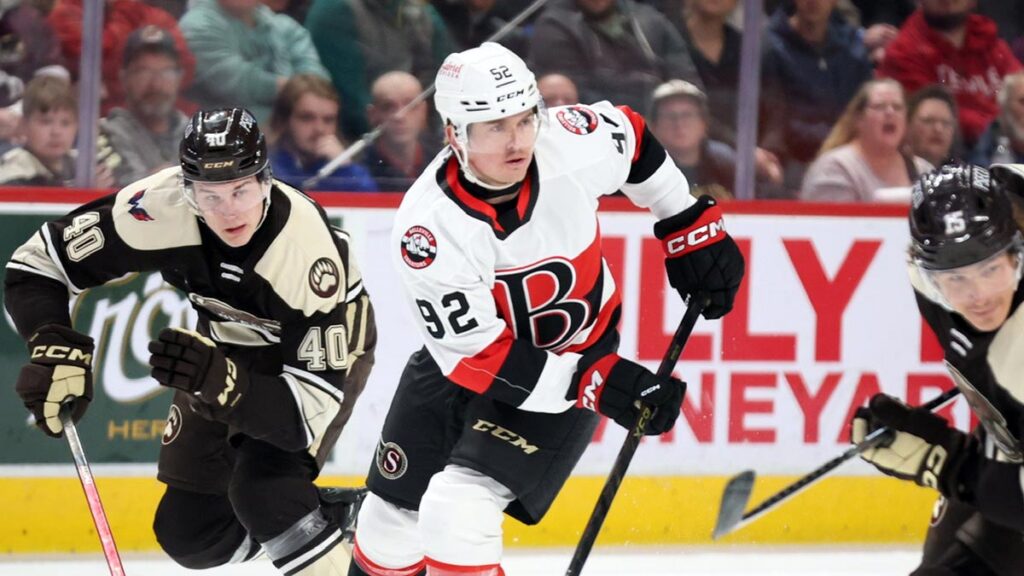
Sports fans love to predict what will happen before the game starts. It’s always been part of the fun. People talk about condition, injuries, home advantage and momentum. Sometimes those conversations happen in bars or on social media. Sometimes they are done inside locker rooms and training sessions.
For a long time, those predictions were based largely on experience and intuition. The coaches are watching the video. Journalists followed the teams closely. Supporters trusted their instincts.
But in recent years something has changed.
Numbers have started to play a big role in how people talk about sports.
Football was one of the first areas where this change was seen. Today many fans check stats, trends and game previews before the game starts. Instead of just guessing, they look for patterns in the data.
And that raises an interesting question for other sports, including ice hockey: can the same kind of analysis help people understand hockey games better too?
Why numbers matter in modern sports
Every professional game creates experience.
In soccer, analysts track things like shooting, passing, handling and defensive actions. When those numbers are collected over hundreds or thousands of matches, they start to show patterns.
For example, some teams do better at home. Others score regularly but also concede a lot of chances. Some teams struggle against opponents who play a certain style.
If you look at just one game, those patterns aren’t always obvious.
But when you explore more games together, the bigger picture begins to emerge.
This is where predictive models come into play.
Looking for trends instead of single results
One statistical analysis you try to avoid is judging a team based on just one game.
A team can lose even if they play well. Maybe they missed a few good chances, or maybe the goalkeeper on the other side had an incredible game.
If you only look at the final score, you might think that team did poorly.
But when analysts study the details of the game, they may come to a different conclusion.
Over time, that data can reveal which teams are actually playing well and which are relying on luck.
This is why many football fans like to analyze the game based on data rather than results alone.
How prediction platforms use this information
In soccer, several websites now collect large amounts of match data and use it to study future fixes.
They compare teams based on recent form, scoring records, defensive strength and other factors.
From there, they estimate what might happen in the next game.
Of course, no one can predict sports correctly. Football is famous for miracles.
But analyzing patterns still helps people understand which outcomes seem more likely.
Fans who enjoy watching game trends can check out previews and stats for upcoming games NerdyTipswhere different leagues and games are analyzed using performance data.
For fans who like to read the games beforehand, that kind of information can add context before the games start.
Can the same concept apply to hockey?
Ice hockey may look very different from soccer, but in some ways the two sports share more similarities than people realize.
Both involve constant movement, quick transitions and goal-scoring opportunities created through interaction.
And like soccer, hockey generates a large amount of game data.
Shots on goal, blocked shots, face off success, power play performance and many other statistics are recorded during each game.
As a result, hockey already has the raw material needed for in-depth analysis.
Hockey teams already use statistics
Professional hockey clubs no longer rely solely on recognition.
Many teams hire analysts who study data from past games. They look at how often opponents are shooting in certain areas, how effective power plays are, or what defensive systems are causing problems.
Video analysis is always important, but numbers can reveal trends that aren’t visible during live play.
For example, a team may notice that the opponent is struggling when the pace of the game increases. Another team may rely heavily on one goal line.
Those little details can have an impact on how coaches prepare for a game.
Preparation before the puck drops
Think of a team preparing for an upcoming enemy.
Traditionally, the coaching staff would review recent games and focus on the most dangerous players.
With the help of mathematical models, they can go a little further.
They may find that the opposition is conceding more chances in the final minutes of the period. Or that their power play works better when the puck moves quickly from one side of the rink to the other.
That information can shape training sessions before a game.
Players can practice specific defensive setups or focus on areas where opponents tend to struggle.
Why fans are getting interested
Statistics don’t just help teams. Fans are also curious about the in-depth analysis.
Many fans enjoy reading the preview before the game starts. It gives them a better understanding of what can happen on the ice.
Instead of just watching the scoreboard, they start noticing patterns during the game.
Which party controls the administration?
Which line produces the most opportunities?
Does the defense allow more shots from dangerous positions?
Once fans start paying attention to those details, watching the game becomes even more fun.
Predictions are never guarantees
Even with the best data, sports will always be unpredictable.
An early goal, a penalty, or an outstanding performance from the goalkeeper can completely change the direction of the game.
That uncertainty is part of what makes sports fun.
Predictive models are not meant to take away that joy. They just help people understand the possible scenarios before the game starts.
Think of them as a guide rather than a final answer.
A growing trend across many sports
Football is not the only sport that involves data analysis.
Basketball, baseball and American football have all gone through similar changes in the past decade. In many cases, statistical information now plays an important role in how teams evaluate performance.
Hockey is slowly moving in the same direction.
More leagues are collecting detailed game data, and more analysts are studying it.
As that continues, it is likely that predictive tools will become more common in hockey coverage.
What could this mean for hockey coverage
If predictive analytics becomes more prominent in hockey, fans may begin to see different types of game previews.
Instead of studying only the team situation, they may see deeper comparisons: shooting patterns, scoring opportunities or defensive trends.
Broadcasters and reporters can also include additional data when discussing upcoming games.
That can give fans a clearer picture of how teams stack up against each other.
The future of sports analysis
The way people watch sports is always changing.
Years ago, fans relied heavily on comments and exposure. Today they have access to statistics, tactical breakdowns and detailed previews of the same.
As technology advances, those tools will likely become more common.
In hockey, that could mean a future where fans and commentators read games the same way soccer fans do today.
The action on the ice will always be fast and unpredictable.
But our understanding of the game may continue to deepen.