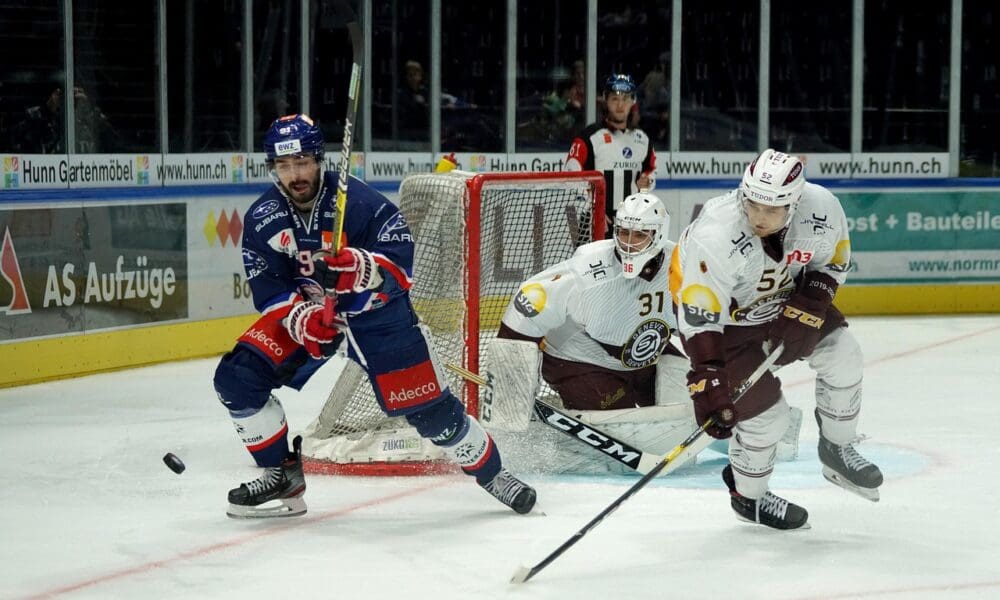
If you grew up in Britain, there’s a good chance you learned about ice hockey in the same way you learned about hurricanes or yellow school buses. He saw it in American movies, locked the gear and speed, and thought it was something that happened somewhere else. Then one day you end up at a rink in Sheffield, Nottingham, Belfast, Cardiff, Glasgow, Manchester, Coventry or Guildford, and you realize two things very quickly.
First, the game is real here, with its history and its challenges. Second, it’s live. The puck moves very fast in TV shows. Boards keep the action close. You can hear everything: skates crunching, sticks hitting each other, players calling passes, the sound of glass touching. It feels like a gig and a game at the same time.
British ice hockey has always sat a little on the sidelines of the mainstream. That’s not because it lacks drama. That’s because it doesn’t fit neatly into the traditional British sports calendar. But once you understand what it is, and what it is, it becomes a much easier game to follow.
EIHL and home game standings
At the top of the British men’s pyramid sits the Elite Ice Hockey League, often shortened to EIHL. It’s a professional league, and it’s the one that new fans encounter for the first time because it offers the full experience: big crowds, strong imports, loud stadiums, and matchday production that rivals football, rugby, boxing night and everything else people spend money on.
One of the most interesting things about the EIHL is how it combines styles. British players form the backbone of many programs, but teams also hire heavily from overseas, especially North America and parts of Europe. That creates a league where you’ll see different influences in the same matchup: a direct, realistic approach to one line, then a possession-based unit that tries to slow the game down and get defenders out of position.
The plot of the season also suits British fans who love storytelling. You have league play, cups, and playoffs, which means momentum can swing in many ways. A group can look normal for weeks, then heat up in the right month and suddenly become a problem.
Rank changes everything
If you’re used to football, it can take a while to see how rink hockey is shaping up. Some areas of Britain are closer to NHL-sized ice areas, others feel wider, and the difference affects everything: how much time the players have on the puck, how aggressive the forecheck can be, how likely the team is to rely on speed through the neutral zone.
On a hard rink, the game feels tight and urgent. There is less room for puck handling and more emphasis on quick decisions, puck collisions in the corners, and winning battles on the boards. In a wide rink, you can see more lateral movement, extended passes, and more room for breathing ability.
That’s part of the fun of following sports here. Not one product is the same. Teams often build around their home rank awards.
The role of imports and the British context
British ice hockey has long depended on imports, and there is no point in pretending to be different. The best leagues in the world are elsewhere, and if you want a domestic league that feels sharp, it brings players who live at high speed.
But importing isn’t just about scoring. They often set standards for coaching, professionalism, and game management. The veteran defenseman who can calm a messy second half does a lot for the team as a defender who scored two goals.
At the same time, the long-term survival of the league depends on the British core. When British players become important contributors rather than fourth-line fillers, the game grows deeper. It becomes something that young players can imagine doing. It also makes ownership of the clubs feel more concentrated than leased.
This is where the means of development are important: minor hockey, local clubs, availability of ice time, quality of coaching, and the simple fact that sports are expensive. Skis, sticks, pads, travel, rank fees. It’s inclusive. British hockey survives because the communities around the rinks put a lot of time into keeping it alive.
The way the game feels when you look at it, especially if you’re new
Ice hockey can look chaotic from a distance, but it is not chaos. It’s layers.
Start by looking at the shape. When the team attacks, who supports the puck holder? When they lose their property, how quickly do they recover? Do their defenders step up to the neutral zone or give way?
Then watch the special teams. Power plays and penalty kills are often where EIHL games swing, because penalties create clear patterns and repeated opportunities. You’ll quickly see which teams have a used power play and which ones are improving.
Finally, watch the scoring. If football is a game where one minute can decide a game, hockey is a game where one player can decide a weekend. A hot goalie can make a team feel invincible, and a sloppy one can derail an otherwise great performance.
Culture: closer than you think, and very local
British hockey crowds are different from football crowds, but not in the way people expect. They are usually very mixed: families, groups of friends, students, old fans who have been there forever. The situation is often simple, but the love is real.
What hockey does amazingly is speed. Fans are close to the action, and the game is built to last. A positive change can raise the bar. A big blow can change the temperature. Fights, when they happen, are spectacular, but rarely the point. The point is the rhythm: pressure, release, pressure again.
There is also a strong local identity. In many cities, hockey does not compete to be the best sport. It competes to be a beloved part of the local church. This is why competitors are so important. They give the game a calendar that people remember.
Where British ice hockey is headed in 2026
In 2026, British ice hockey lives in a familiar but interesting place. It’s stable enough that the top league feels solid, but still young enough that every improvement is important. Broadcast quality, broadcast reach, grassroots funding, and platform knowledge all directly affect growth.
The opportunity is clear: a live game that is fast, affordable compared to other high-level events, and genuinely fun even for people who don’t know the rules. The challenge is also obvious: limited ice time in many areas, the high cost of participation, and the fact that the majority of British sports will remain largely devoid of football.
If you’re a fan, none of this should stop you from enjoying it. In fact, sometimes it adds to the marketing. Following British hockey feels like being in on something that deserves more attention than it gets.
And if you’re the type of person who likes to track the form and narrative throughout the season, you’ll notice how often fans talk about streaks, travel fatigue, and the challenges of coming together in the same spirit as everything else, with the odd side chat from one fantasy film to another. casino onlinealthough the real hook is just going with the sound and feeling where the next goal might come from.
Way to get into it, well
If you want to start following British ice hockey, do it the same way you would start following any sport.
Choose a team near you, or choose one because you like the atmosphere of the stadium. Go to the game yourself if you can, because that’s where the game makes sense. Learn the basics: icing, offsides, power plays, line changes. After two games, you will stop feeling lost. After five, you’ll start to see patterns. After ten, you will have ideas.
British hockey does not require you to be a professional. It just takes you in the building, watching a fast-paced game that most British fans are unfamiliar with, and realizing you’ve been missing out.