How to make the perfect cornbread, according to a golf-resort chef

Welcome to Clubhouse Diningwhere we celebrate the best food and drink of the game. Hope you brought your appetite.
***
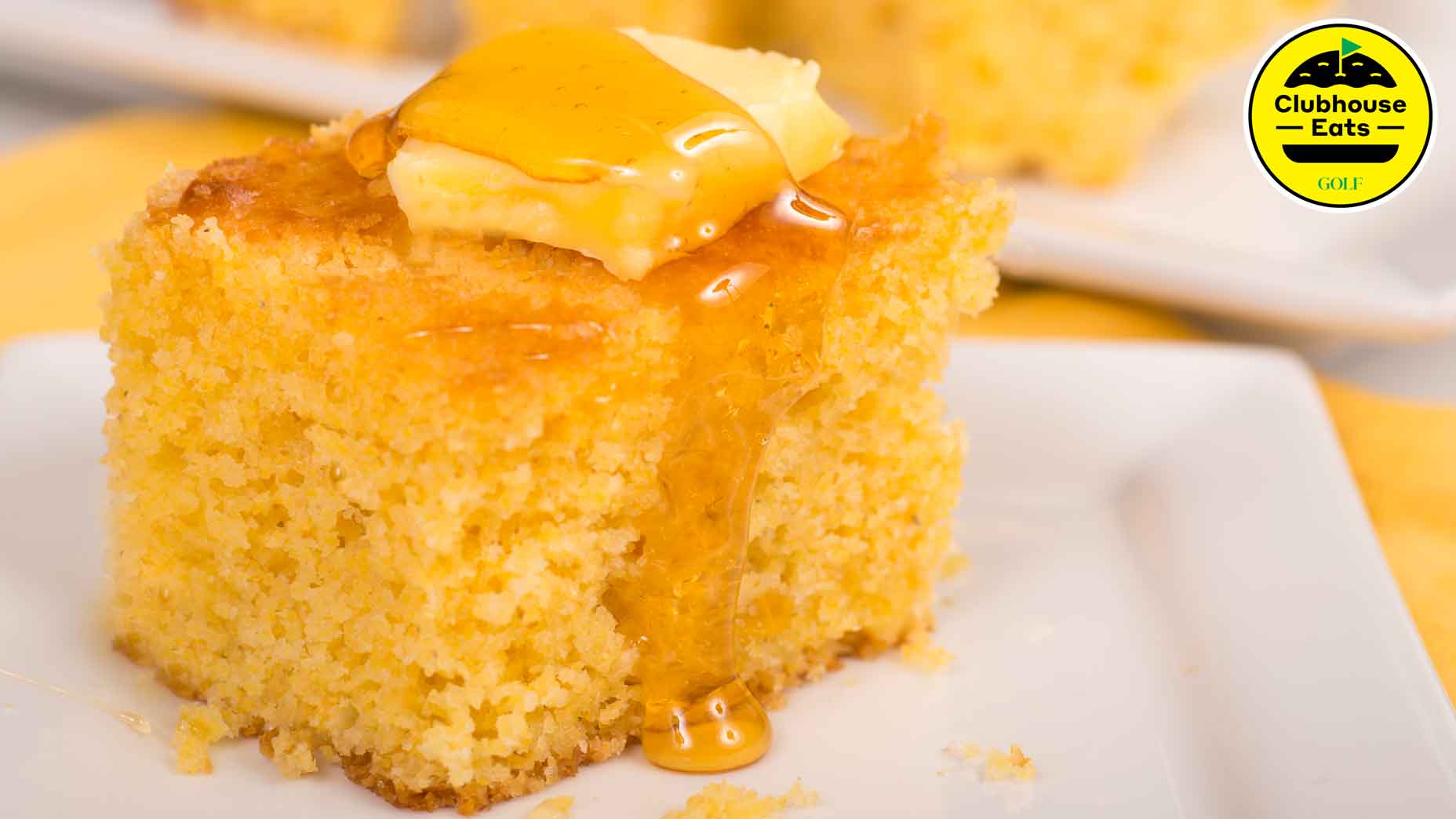
A staple during the summer months, especially in cookouts — not to mention a side dish at classic barbecue joints across the country — cornbread is always in season. That means it deserves a place on your holiday table this winter. But don’t worry, delicious cornbread doesn’t require professional baking skills; unlike traditional breads, this southern comfort food presents a low barrier to entry.
“Cornbread,” says Iain Jones, senior pastry chef at The Sea Pines Resort, “is easier than most people think.”
It’s also universally loved, which Jones explains by pointing to three key aspects of the dish.
“It’s fun. It’s comforting. And a lot of the attraction is nostalgia — thinking about the times when your grandmother used to do it,” he says. “It’s very flexible and versatile.”
In fact, Jones’s cornbread muffins (recipe shared below) include minced garlic and fresh chopped rosemary, which means they’re almost guaranteed to complement other plates and main entrees that make up your holiday spread. So, roll up your sleeves, whip out that mix, and — empowered by Chef Jones’ advice — get ready to whip up a batch of homemade cornbread.
Texture Matters
When choosing ingredients, pay attention to the smallest details – literally. The strength of the flour and the corn you use can make a big difference in the finished product.
“When I’m working with corn, I choose a flour that’s less refined,” Jones explains, highlighting Sir Galahad’s bleached, all-purpose flour made by the King Arthur brand as the best. “Hard ground flour makes your cornbread hard.”
Similarly, the chef likes to use more refined corn. “I like well-done corn,” he said, admitting that it, too, contributes to consistency and density. “I don’t want to bite into a piece of cornbread that hurts too much.”
Entering the Mix
Like other breads and cakes, cornbread suffers if the dough is overused before baking. As Jones admits, you want to mix the dry and wet ingredients until they are fully combined. Otherwise, you’ll end up with a bunch of cornbread that’s “tough and chewy.”
The secret to making perfect chili, according to a golf club chef
By:
Shaun Tolson
During this step, the chef likes to change the parts of the mixture of flour and milk, always starting with the dry ingredients and ending with them, too. Another – mixing all the ingredients at the same time and walking away from the mixer – is where problems can arise. So just keep an eye on how the ingredients are incorporated, and if it seems that the final mixture of flour is combined, turn off the mixer.
She says: “At the end just scrape the sides of the bowl and roll everything by hand to make sure it’s included.”
Don’t worry too much about stopping the process when the ingredients are “just mixed together.” While you don’t want to overwork the batter, it won’t go bad if the mixer runs a few more cycles than it needs to.
“A few times around the bowl won’t be the difference between something great and something bad,” the chef assures.
Knowing How It Goes
You have options when it comes to how you choose to bake your cornbread. If you want bread with crispy outer edges, go for the cast iron skillet method. Just make sure it’s well coated with butter, oil, or bacon fat and, just as important, make sure it’s preheated.
“You want to have that pan nice and warm, so that when you pour your batter,” says Jones, “it creates a nice crust around it.”
If you’re looking for a lighter or softer version of cornbread, the chef recommends using a muffin pan or a Madeline mold.
No matter what pan you use, Chef Jones suggests baking the bread at 325 degrees in a convection oven or 350 degrees in a traditional oven. If you use a small mold, the cornbread will probably be made in 10 to 15 minutes. If you go the large cast iron skillet method, it will probably take between 20 and 25 minutes. As for how to tell when the bread is done, Chef Jones says cornbread follows the same basic principles as cakes.
“If you push up, it should bounce back, but not forcefully,” he says. “You want it to be a little golden around the edges.”
Milking
Much has been made of Chef Jones’ choice of flour and corn, and especially of the milk he uses, too. Specifically, she encourages home bakers to use butter instead of traditional milk, especially if the recipe calls for baking soda.
“It has that nice crunch to it, and it adds a little acidity, which mixes with your yeast to produce something a little lighter,” he says. “It’s about a chemical reaction – when you’re working with baking soda, you need an acid to activate it. Traditional milk doesn’t provide that.”
When and How to Upgrade
If you want to customize your cornbread, other ingredients can be folded into the batter without affecting the baking process. These dry ingredients include – among other things – chopped jalapenos and shredded cheddar cheese.
“You don’t have to worry too much about it affecting the recipe,” says Jones, “because you’re not adding extra liquid.”
Where problems arise is when bakers try to add or replace wet ingredients, such as creamed corn. That doesn’t mean those changes can’t work, but they will require more adjustments in the dosage of other ingredients. For that reason, Chef Jones likes to rely on the cooking advice he’s received over the years.
“My old chef used to tell me, ‘Whenever you try a new recipe, make it three times [before you modify it]. That way you understand why it works.’”
Rosemary Cornbread Muffins
Courtesy of Iain Jones, Executive Pastry Chef at Sea Pines Resort
Makes About: 18 muffins, 36 mini muffins
Ingredients:
375g all-purpose flour
300 g flour
300g of sugar
12 g baking powder
3 g of baking soda
360 g butter, softened
225 g milk
5 whole eggs
14 g fresh garlic, chopped
6 g fresh rosemary, chopped
7g salt
Preparation Method:
Preheat oven to 350 degrees (325 degrees for convection ovens).
Grease mini or regular muffin tins with butter or oil.
In a large bowl, mix together the cornstarch, flour, baking powder, baking soda and salt.
If the butter is soft, use a stand mixer or hand mixer on medium speed to combine the butter and sugar. Beat for 3 to 5 minutes or until the mixture is pale and fluffy.
Gradually add the eggs, one at a time, mixing well with each addition.
Reduce the speed of the mixer to low, and mix the dry ingredients, alternating the addition of the flour mixture with parts of the butter, making sure to start and finish the dry ingredients. (Mix until just combined. Do not over mix!)
Add the chopped rosemary and minced garlic.
Pour the batter into the prepared tins and bake for 10 to 15 minutes, or until the top is golden. (Using your finger, press gently into the center of the muffin. It should pull back without leaving an indent.)
When done, remove from the oven and allow to cool for about 10 minutes before removing from the mold.


