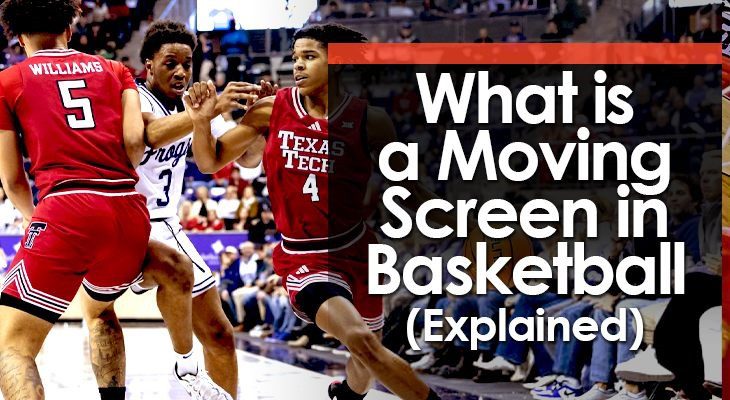
Setting screens is almost a part of basketball’s offense.
Whether it’s a cross screen, a low screen, or a ball screen, teams often use some type of check action to give themselves an advantage.
However, there are times when these screens are not in the right place.
This may be due to an error by the offense or due to the aggression of the defense, forcing the screen to move and making illegal connections.
The result of this is a dynamic screen.
This post will look at what a dynamic screen is, why dynamic screens often occur, and how players can keep you from calling a dynamic screen.
What is a dynamic screen in basketball?
A dynamic screen is a type of illegal screen where the screen makes prohibited contact because they do not stay still or move some part of their body to make contact with them.
Moving screens can occur in football situations, where the screen has been taken by the ball handler, or in illegal football situations.
This often happens when the defender tries to avoid the screen by going over or under it, and the screen leaves his body to create contact.
Referees often look at the following criteria to determine if the offense is setting a legal screen or a motion:
- Feet set and position established
- No leaning or sliding
- NO HIP, shoulder, or arm extensions
If any of these three standards are not met, then a dynamic screen will be called.
Common conditions for moving screens
A case receives an illegal screen most often in these three situations:
1. The screen still moves to the state during communication
Whether the ball carrier was impatient or the screen was late, the screen was never set before the defender ran to him.
Therefore, because the screen has made contact before establishing the position, this can be a dynamic screen.
2. The screen changes position after the defender has already moved to surround them
When a screener makes legal contact, he must continue with the suspension until the defender completely clears his screen.
A dynamic screen occurs when the screen moves his body to maintain contact as the defensive player works his way around or through the screen.
3. The body or legs of the screen form an illegal contact
When the screen sees that the defender is going to completely avoid his screen, he often makes the mistake of hipping or leaning to create at least some contact.
The authorities almost always whistled this through a moving screen, as he was not always standing still or in his cylinder.
wait Can it move?
While this may seem like a very straightforward question, the answer is not so clear.
The real answer is that screens can move to set their screens successfully… However, they must re-cut the screen so that the defender has enough distance and time to avoid it.
Therefore, the screen is allowed to move to set the screen as long as the movement occurs before there is contact, not as it happens.
The official legal appearance of this can happen during the amazing screen.
If the defender avoids the first screen, the second screen in the sligger can move and renew to reconfirm the connection, as long as he does so by setting the time and place.
What is the penalty for a dynamic screen?
A moving screen in basketball is considered an offensive foul.
Therefore, it will be considered earning money by getting basketball equipment near the point where the moving screen occurs.
It can also count as a dirty party with a guilty party.
However, even if the team is in the bonus, there will be no free throws shot on the dynamic screen because it is considered a way to control the team.
Why do players make dynamic screens?
Players can commit dynamic fouls for a number of reasons.
And honestly, not all of this is the screen’s fault.
Here are some common reasons motion sickness happens:
1. Bad timing
Usually, this means that the cut or ball manager does not wait for the screen to be set before attacking.
This often leads to a screen called a dynamic screen because it doesn’t have time to set up on the screen before the contact happens.
2. Aggressive defense
If a defender plays very strong defense and can fight over screens successfully, it can lead to a screen move being called, even if that wasn’t the case.
With a tight window between the ball handler and the screen, sometimes the defender will hit the screen by surprise and draw a foul, even if there was no movement.
3. Lack of discipline
Sometimes the screens feel that they have to initiate contact with the defender, even if that means being moved by a part of the body and called for fouling.
It is the receiver’s job to set up the defender well enough to force him to hit the screen.
The screen simply needs to be completely stationary and allow the other player to confirm that contact occurs.
Prevention strategies for creating a dynamic screen
Dynamic screen calling is the most frustrating call for a coach because it is a completely secure income.
Here are some tips to help your players avoid making any screen shakes:
1. Be early and strong
To always give defenders enough time and space, screens need to focus on getting to their position early.
When they are there, they should get used to setting the screen with their feet on the shoulder – width apart, hands crossed in front of them, knees bent for balance, and able to stop completely.
2. Set the screen
To ensure that the screen has enough time to set early, the offensive player should always move his defender away from the screen to set.
Once the screen is set, that’s when the cut or ball manager should look to attack the screen, rubbing shoulders as it passes.
3. Know when to fold
This is especially true for On-Ball screen situations, but the screen must wait to roll or slide to the basket only after the ball is handled or the cutter clears the screen.
While riding or stealing a TAD early can be a great way to clean up with a dynamic screen, it’s against the rules and can be called, according to officials.
4. Practice your games
Also, one of the most common reasons for a dynamic screen is due to poor timing between the screen and the player receiving the screen.
Therefore, your teams must use their test plays more often and understand not only their roles in the games, but also their teammates, especially when the screen is involved.
Lasting
There are few calls as frustrating as the dynamic screen for basketball coaches, usually because they are so avoidable.
But due to poor timing, an aggressive defender, or a lack of discipline, these calls continue to happen at all levels of basketball.
But if you can teach your screens to arrive early and when to roll, your other players to set screens effectively, and all of your players to understand your plays inside and out, hopefully you can make rolling screens a thing of the past for your team.